
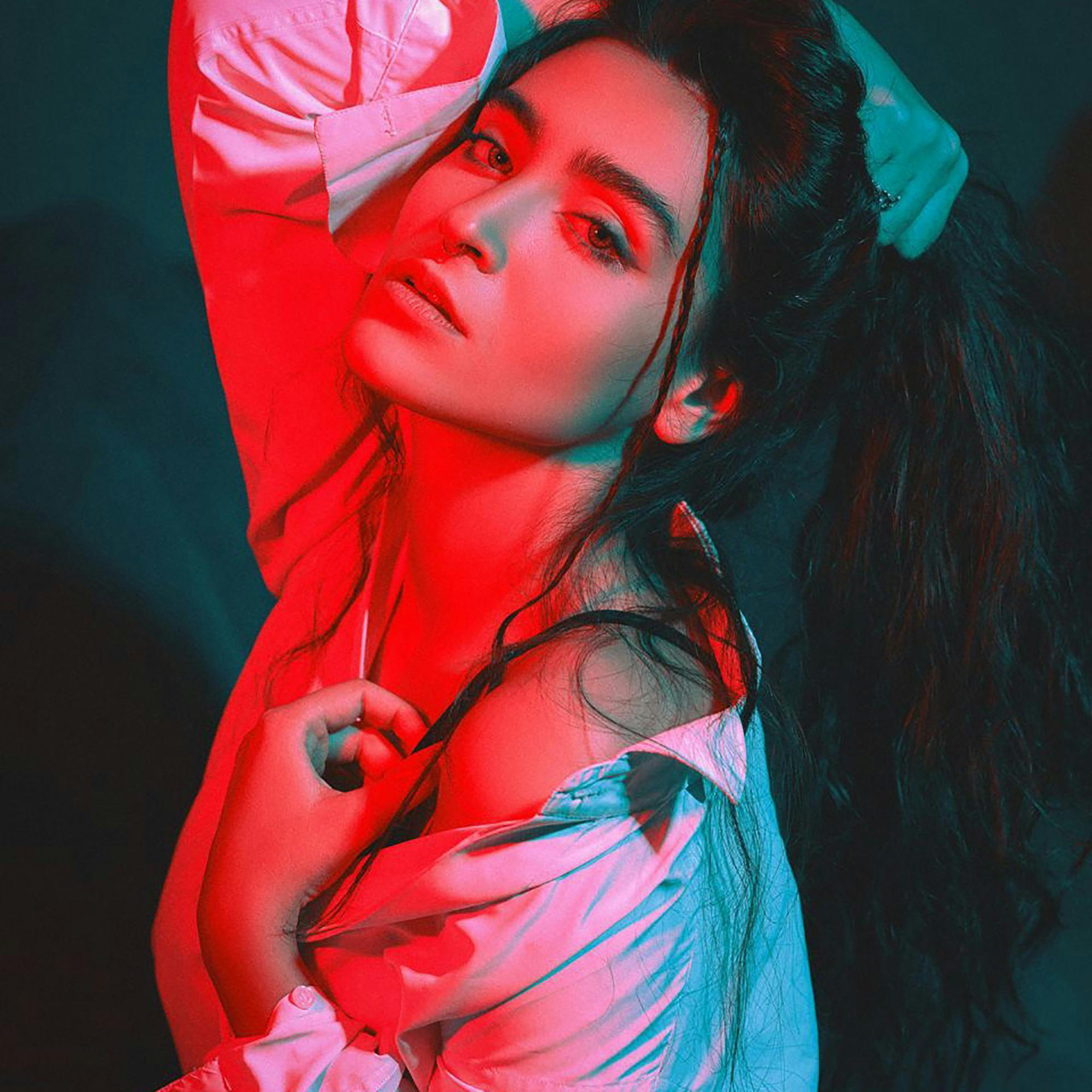
Photographers, like many people in other creative fields, usually see OnlyFans as a platform built for explicit creators first and everyone else second. That assumption keeps a lot of visual artists from taking it seriously. But for photographers, OnlyFans can actually work as something much more practical: a paid space where followers get access to exclusive work, behind-the-scenes content, creative process posts, professional tips, editing tutorials, lighting breakdowns, gear recommendations, and a more personal connection to the person behind the camera.
That matters because public platforms are not built to fully monetize photography. Instagram can help with visibility, but it rarely gives photographers a reliable way to earn from the full value of their work. A finished image gets liked, scrolled past, and forgotten. The planning behind the shoot, the alternate frames, the editing decisions, the setup, the creative experiments, and the unreleased material usually stay unseen or unpaid. OnlyFans creates room for that extra layer.
The key is using it the right way. A photographer will usually struggle if the page feels like a locked portfolio with a few nice images behind a subscription. It works much better when the account feels like access to a private creative world. In this guide, you’ll see how photographers can use OnlyFans as a serious content and income channel, what to post, how to package it, and how to make the subscription feel worth paying for.
Why OnlyFans Can Work for Photographers
Photography fits surprisingly well with the kind of content model OnlyFans is built around. Most photographers already create far more material than they ever post publicly. One shoot might produce hundreds of images, multiple lighting setups, short video clips, alternate edits, test shots, unused ideas, and behind-the-scenes moments that never make it to Instagram or a portfolio site.
On public platforms, most of that extra material has little value. Instagram usually rewards only the final polished image. Followers may like it, leave a comment, and move on. The rest of the process disappears, even though that process is often the most interesting part.
OnlyFans gives photographers a place to turn that hidden material into something valuable. Instead of uploading one finished image and letting the rest sit unused, a photographer can build an entire content cycle around a single shoot. The finished photos can be one post. The behind-the-scenes clips can be another. The setup, editing process, alternate versions, rejected frames, and personal commentary can each become separate pieces of content.
That is one reason photographers can often create much more content than they think without constantly doing new shoots. One session can provide enough material for days or even weeks if it is packaged the right way.
OnlyFans also works because people do not only subscribe for photos. They subscribe because they want access. Some want to see more of the creative process. Some want photography tips or editing tutorials. Some are interested in the personality behind the camera. Others simply like the feeling of seeing work that is more private, more personal, or more exclusive than what appears on public platforms.
For photographers who work with models, influencers, or OnlyFans creators themselves, the platform can create another opportunity as well. A photographer can use their page to share behind-the-scenes footage from client shoots, explain how certain images were created, show lighting and posing choices, and attract future clients – including OnlyFans creators – who want that same style of content.
Which Photographers Are Best Suited to OnlyFans
OnlyFans can work for many kinds of photographers, but it usually works best when there is already something distinctive about the work or the way the photographer presents it. A page is much easier to sell when followers immediately understand what makes it different from a normal Instagram account or photography website.
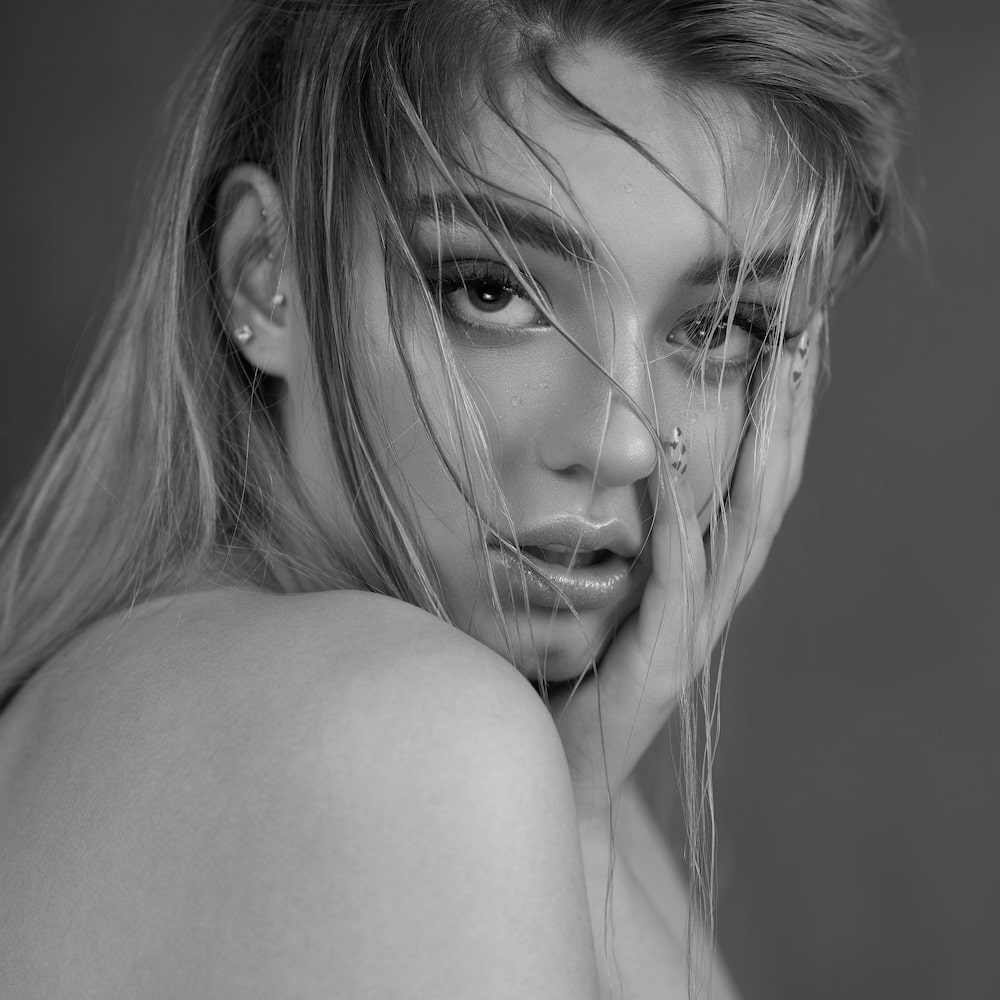
Photographers with a strong visual style often have the clearest advantage. That could mean dark cinematic portraits, bright fashion shoots, dramatic studio lighting, film-style edits, moody black-and-white portraits, neon-lit sessions, intimate at-home sets, or simply a recognizable way of shooting certain subjects. The more specific the look and atmosphere feel, the easier it becomes to turn that into a paid experience.
Photographers who already work in niches with natural curiosity also tend to fit well on OnlyFans. Boudoir, glamour, lingerie, fetish, alternative fashion, cosplay, and fine art photography often perform especially well because people already expect that there is more material behind the scenes than what appears publicly. Many followers are curious about how those shoots are created, what the unreleased images look like, and what happens before the final photos are posted.
OnlyFans can also make sense for photographers who work with creators. Many photographers now shoot content for models, influencers, and OnlyFans creators who need new material every week. Those photographers often have valuable knowledge about posing, lighting, angles, editing, and what kind of content performs best on the platform. Their own page can become a place to share that process, attract future clients, and earn extra income from people who want to learn from their experience.
Educational photographers can also do surprisingly well. A photographer who enjoys teaching can build a page around editing tutorials, Lightroom presets, gear breakdowns, shooting tips, location advice, or even simple explanations of how certain images were created. In that case, people subscribe not only for the finished work, but for the chance to learn how to create it themselves.
What Photographers Should Actually Post on OnlyFans
One of the biggest mistakes photographers make is treating OnlyFans like a locked portfolio. A few finished images behind a paywall usually are not enough to make people subscribe or stay subscribed. Followers need to feel like they are getting access to something they cannot find anywhere else.
The finished photos should still be part of the page, but they should not be the entire page. Full image sets often work better than a single polished shot. So do alternate versions, unpublished photos, different edits, and images that never made it to Instagram. Many people enjoy seeing the less perfect, more natural, or more experimental side of a shoot.
Behind-the-scenes content is often even more valuable than the final result. Short clips from the set, lighting setups, location scouting, props, styling, makeup, posing adjustments, and the general atmosphere during the shoot can all become useful content. People like feeling as if they are standing just outside the frame watching everything happen.
The editing process is another strong type of content. Many subscribers are curious about how a flat, simple image becomes a dramatic finished photograph. Before-and-after comparisons, retouching choices, color grading, Lightroom adjustments, and explanations of why certain edits were made can all make the page feel more interesting and more valuable.
Photographers who enjoy teaching can also add simple tutorials and practical tips. That might include:
- how to light a portrait
- how to pose a model
- which lens was used
- how to create a certain mood
- mistakes that happened during the shoot and how they were fixed
These posts do not need to feel like a formal class. Often, the most interesting explanations are the simplest ones.
A photographer who works with OnlyFans creators or adult models can also use the page to share how that type of content is made. Behind-the-scenes clips from creator shoots, lighting diagrams, posing breakdowns, outfit choices, and explanations of what makes certain images work can all become part of the page. That can help attract both subscribers and future photography clients.
Personal content matters too. People stay subscribed longer when they feel connected to the person behind the camera. That does not mean sharing every detail of private life. It simply means showing more personality than on a normal portfolio page. Casual updates, creative thoughts, failed ideas, polls about future shoots, and small moments from everyday life can make the page feel more human and more worth following.
How to Turn One Shoot Into Weeks of Content
Many photographers think they need to constantly create new shoots to keep an OnlyFans page active. In reality, one shoot can often provide enough material for days or even weeks if it is released gradually instead of all at once.
A common mistake is posting the entire finished set in one day. Followers see everything immediately, then have little reason to come back until the next shoot. It works much better when the content is broken into stages.
The first post can be a teaser. That might be one cropped image, a short behind-the-scenes clip, or a preview of the concept. A day or two later, the photographer can share setup photos, styling details, props, lighting choices, or a short explanation of how the idea came together.
After that, the page can move into the actual shoot. One post might show a few favorite images. Another can focus on alternate shots, different poses, or frames that almost made the final cut. Later, the photographer can post editing comparisons, retouching breakdowns, or explain how the final look was created.
At the end of the cycle, the full set can be released, followed by bonus material such as extra images, rejected frames, video clips, or a poll asking followers what kind of shoot they want to see next.
For photographers who work with OnlyFans models or adult creators, one client session can become even more content. The photographer can show the lighting setup, how the room was arranged, why certain poses worked better than others, and what changed between the raw images and the final version.
Using content this way makes the page feel active much longer without forcing the photographer to shoot constantly. It also gives subscribers more reasons to return, interact, and stay subscribed instead of joining for one day and leaving right away.
How to Make the Subscription Feel Worth Paying For
Getting someone to subscribe is only the first step. The harder part is giving them a reason to stay.
A photography page feels much more valuable when it has a clear rhythm. Followers should know that new content appears regularly and that the page offers more than occasional random uploads. A simple schedule can help: one day for behind-the-scenes content, another for finished images, another for editing breakdowns or Q&As.
Subscribers also stay longer when they feel involved. Polls can work surprisingly well. A photographer can ask followers which edit they prefer, which outfit should be used in the next shoot, what location to try next, or which behind-the-scenes topic they want explained. Small choices like that make people feel part of the process instead of just passive viewers.
Exclusivity matters too. The page should contain something that does not appear anywhere else. That might be unreleased photo sets, more personal commentary, extended behind-the-scenes clips, private tutorials, or early access to new work. If the same content appears on Instagram a week later, many subscribers will stop seeing the point of paying.
Communication can make a big difference as well. Responding to comments, answering messages, and occasionally talking directly to followers helps create a stronger connection. People often stay subscribed because they like the creator as much as the content.
The strongest photography pages do not feel like a folder of images that happens to cost money. They feel like an ongoing members-only space where followers get new content, more access, and a closer look at the creative world behind the camera.
Monetization Ideas Beyond the Monthly Subscription
For photographers, the monthly subscription is often only the starting point. A low subscription price can help bring more people onto the page, but the strongest income usually comes from extra content and more personalized offers.
One option is selling premium photo sets separately. A photographer might keep regular behind-the-scenes content and smaller sets inside the subscription, then offer larger themed shoots, uncensored versions, extended galleries, or special projects as pay-per-view content.
Editing products can work well too. Lightroom presets, color grading packs, texture overlays, editing notes, downloadable resources, and even prompts for AI tools can all become extra paid offers for followers who want to create similar images themselves.
Private tutorials are another strong option. Some subscribers are willing to pay for a more detailed explanation than what appears in regular posts. A photographer can sell private editing walkthroughs, one-on-one feedback, lighting advice, posing tips, or portfolio reviews.
One of the most valuable custom offers is personalized editing help. A subscriber can send one of their own RAW images, and the photographer can create a private video showing exactly how they would edit it, retouch it, crop it, and build the final look step by step. Some photographers take it further by offering a paid video call where they edit the subscriber’s image live, explain each decision, answer questions, and show the full process in real time. That kind of content feels much more personal than a normal tutorial, which is why many people are willing to pay more for it.
Photographers who work with models, influencers, or OnlyFans creators can also use the page to attract future clients. A subscriber may first join for the content, then later book a photoshoot, ask for help planning their own page, or hire the photographer to create content for them.
The strongest pages usually combine several layers of income: a subscription for regular access, premium content for bigger releases, and higher-priced custom offers for the people who want something more personal.
How to Position Your OnlyFans Without Hurting Your Brand
Many photographers hesitate to join OnlyFans because they worry it will make their work seem less professional. In reality, the platform itself is not what shapes the brand. The way the page is presented matters much more.
A photographer who describes the page as “pay to see my photos” will usually struggle. That feels vague, low-value, and easy to ignore. It works much better when the account is positioned as a private creative space with a clear purpose.
The page might be presented as:
- exclusive behind-the-scenes access
- members-only tutorials and editing breakdowns
- unreleased photo sets and alternate edits
- a closer look at how shoots are planned and created
- a private archive that does not fit on Instagram or a portfolio site
And, of course, clarity matters. Followers should immediately understand what they are paying for, how often new content appears, and what makes the page different from the creator’s public accounts. A clear description, a consistent posting style, and a recognizable visual identity all help the page feel more valuable and more professional.
For photographers who shoot content for OnlyFans creators, the page can also be positioned as proof of expertise. Showing the process behind real shoots, explaining why certain images work, and sharing examples of content strategy can help attract future clients without making the account feel cheap or overly promotional.
Where Many Photographers Go Wrong on OnlyFans
One of the most common mistakes is treating the page like a normal portfolio. A portfolio is built to impress people quickly. OnlyFans is built to make people stay. If the page only contains a few polished images with no explanation, no behind-the-scenes content, and no sense of personality, most subscribers will lose interest very quickly.
Another mistake is posting too much at once. Some photographers upload an entire shoot in one day, disappear for two weeks, then come back with another large drop. That usually leads to weak retention because subscribers feel there is no reason to keep checking the page. It works much better to spread content out and make the account feel active more often.
Many photographers also underestimate how important communication is. People usually do not subscribe only for the photos. They subscribe because they want more access to the person behind them. Ignoring comments, never answering messages, and posting without any personality can make the page feel distant and forgettable.
Being too vague is another problem. If a photographer’s bio simply says “exclusive content” or “behind the scenes”, followers may not understand what they will actually get. A page needs a clear identity. People should immediately know whether the account focuses on tutorials, unreleased images, creator shoots, editing advice, behind-the-scenes content, or a mix of all these elements.
Finally, many photographers focus only on the finished result and ignore the process. In most cases, the process is exactly what people are paying for. The planning, the mistakes, the lighting changes, the editing decisions, and the moments between the final images often create more value than the finished photo itself.
Conclusion
OnlyFans can work surprisingly well for photographers, but only when it is used as more than a locked gallery of finished images. The photographers who usually do best are the ones who treat it like a members-only creative space – a place where followers get access to the process, the behind-the-scenes moments, the unreleased work, and the personality behind the camera.
A single shoot can become days or even weeks of content when it is packaged the right way. Finished images, setup clips, editing breakdowns, tutorials, private feedback, and custom offers can all become part of the same page.
The goal is not to upload more photos. It is to give people a reason to keep coming back. When a photographer creates that feeling of access and connection, OnlyFans can become much more than another platform. It can become a real source of recurring income.