
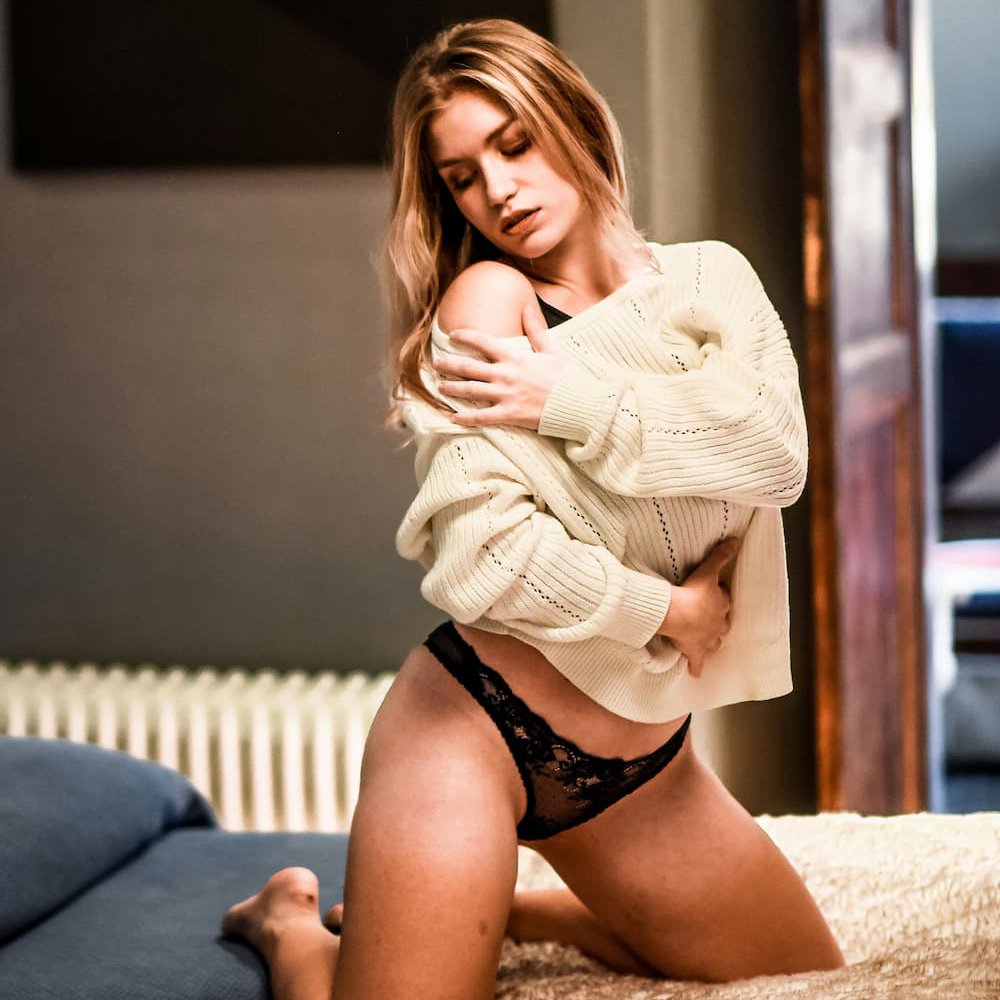
AI models are everywhere right now. They show up on Instagram, TikTok, X, Reddit, and paid fan platforms. They look like polished influencers with perfect lighting, consistent branding, and endless content. So it is not surprising that many content creators are asking the same question: can you create an AI model for OnlyFans and turn it into a new income stream?
The idea sounds tempting because an AI model does not have to be limited by who you are in real life. It does not matter whether you are a man or a woman, what you look like, how confident you feel on camera, or what kind of content you personally can create. With AI, you can design a virtual model with almost any appearance, personality, body type, style, and fantasy-driven image. You can make her soft and romantic, bold and glamorous, athletic, mysterious, luxury-coded, or completely fictional – then use generated photos and videos to build a fantasy around that character for the audience.
But when it comes to OnlyFans, the reality is more complicated. OnlyFans is built around real, verified creators, not fully fictional AI personas. That does not mean creators cannot use AI at all. AI can help with captions, content planning, editing, marketing, and even visual enhancement. The problem starts when the AI model becomes the actual “creator” fans are paying to follow.
In this guide, we’ll break down what content creators need to know before trying to launch an AI model. You’ll learn why a fully AI-generated creator is not a safe fit for OnlyFans, what types of AI use may still make sense for real creators, and why platforms like Fanvue are usually a better option for those who want to promote and monetize a clearly disclosed AI model.
Can You Create an AI Model for OnlyFans?
Technically, you can create an AI model with today’s tools. You can generate a face, build a body type, choose a style, create photos, make short videos, and even write a full personality around that character. But creating the model is not the same as being allowed to monetize that model on OnlyFans.
OnlyFans is built around real, verified creators. When someone opens a creator account, the platform expects a real person behind that account, with identity verification and responsibility for the content being posted. That is very different from launching a fully fictional AI persona and presenting her as the creator fans are paying to follow.
This is the key point for creators to understand: AI can be used as a tool, but a fully AI-generated model should not become the hidden replacement for the creator. If the page is built around a synthetic person who does not exist in real life, that creates problems with identity, transparency, fan trust, and platform compliance.

What AI Use May Still Make Sense for OnlyFans Creators
Even if a fully AI-generated model is not a good fit for OnlyFans, that does not mean AI has no place in an OnlyFans business. The difference is in how the tool is used. AI is much safer when it supports a real verified creator instead of replacing that creator with a fictional identity.
For many creators, AI can be useful behind the scenes. It can help you plan a content calendar, organize ideas for weekly posts, write caption variations, create social media hooks, or prepare different versions of a PPV message. Instead of staring at a blank page every time you need to post, you can use AI to speed up the creative process and keep your page more consistent.
AI can also help with visual workflow. A creator may use editing tools to improve lighting, clean up a background, sharpen an image, upscale older content, or create mood boards for future shoots. In this case, the creator is still real, the content is still connected to the verified person, and AI is simply helping with presentation.
The same applies to marketing and communication. AI can help draft promotional posts, organize fan segments, summarize common fan requests, or suggest message ideas. But the creator should still control what is sent, especially in paid or private conversations. Fans are paying for a creator relationship, so using AI secretly as a full replacement for personal interaction can quickly become misleading.
A simple way to think about it is this: AI can help you work faster, plan better, and present your content more professionally. But on OnlyFans, the real creator should remain the center of the account. Once the AI model becomes the main identity fans are paying for, the business moves into a much riskier area.
Why a Fully AI Model Is Risky on OnlyFans
A fully AI-generated model may look like a smart business idea, but on OnlyFans it can create several serious risks. The issue is not only whether the images look realistic. The bigger issue is what the account represents, what fans believe they are paying for, and how the platform views that type of content.
One of the first problems is verification. OnlyFans creator accounts are connected to real people through document-based identity checks. That means the platform is not just looking at the content on the page – it is also verifying who is legally responsible for that account. If the public-facing “creator” is a fictional AI character, there is a gap between the person verified by the platform and the identity being promoted to fans.
The next risk is transparency. Fans usually subscribe because they believe they are following a real creator. If the page presents an AI model as if she were a real person, that can feel misleading. Even if the visuals are original, the fan relationship is built on trust, and a hidden AI identity can damage that trust quickly.
There is also a likeness risk. AI-generated models can accidentally resemble real people, influencers, celebrities, or other creators. If the model is built from reference images or designed to look like someone specific, the risk becomes even higher. Adult platforms are especially sensitive to impersonation, deepfakes, and non-consensual use of someone’s appearance.
Finally, there is account risk. If the platform decides that the content, identity, or presentation violates its rules, the creator can lose income, subscribers, and access to the account. For a business that depends on recurring fans, that risk is too big to ignore.
Why Fanvue Is a Better Fit for AI Models
If your goal is to build a fully AI-generated model, Fanvue is usually a better platform to look at than OnlyFans. The main difference is that Fanvue has a clearer place for AI creators. Instead of trying to present a fictional model as if she were a real person, creators can build and promote an AI model with disclosure that the character is AI-generated.
That matters because the business becomes more transparent from the start. Fans are not being led to believe they are subscribing to a real person when the main identity is actually synthetic. The model can still have a name, style, personality, niche, and fantasy-driven image, but the audience understands that the creator brand is built around AI content.
This does not mean Fanvue is a place where anything is allowed. AI creators still need to follow platform rules, use original visuals, avoid copying real people, and stay away from impersonation or deepfake-style content. If the model looks like a celebrity, influencer, or another creator, that can still create serious problems. The same applies to content that appears too young, uses stolen references, or misleads fans about what they are buying.
How to Approach an AI Model Project Safely
If you still want to build an AI model, treat it as a separate creator brand, not as a shortcut or a fake version of a real person. The goal should not be to trick fans into thinking the model is real. The goal should be to create a clear virtual identity that people understand from the beginning.
The first step is originality. Your AI model should not be based on a real creator, celebrity, influencer, or private person. Even if you change small details, copying someone’s face, body, style, or recognizable image can create serious problems. A safer AI model should have her own look, name, personality, and visual world.
The second step is consistency. A successful AI model is not just a set of random pretty images. She needs a stable appearance, clear niche, recognizable style, and a content direction that fans can follow. If she looks different in every post, the brand feels weak and artificial in the wrong way.
The third step is disclosure. If the model is AI-generated, the audience should be able to understand that. This is especially important on platforms that allow AI creators. Clear disclosure helps protect the brand from accusations of deception and makes the fan relationship more honest.
Of course, think about the business side. You still need traffic, positioning, content planning, fan communication, and rules for what the model will and will not represent. AI can generate visuals, but it does not replace strategy. A beautiful virtual model is only the starting point – the real business is built through trust, consistency, and responsible promotion.
Final Takeaway
AI can be useful for content creators, but it is important to understand where the limits are. Creating an AI model is technically possible, but that does not automatically mean it is a good fit for OnlyFans. The platform is centered around real, verified creators, and a fully fictional AI persona can create problems with identity, trust, disclosure, and account safety.
For OnlyFans creators, the smarter approach is to use AI as a support tool. It can help with planning, captions, editing, marketing, and content organization while keeping the real creator at the center of the page. That kind of AI use can make the business more efficient without turning the account into something misleading.
If the goal is to build and promote a completely AI-generated model, platforms like Fanvue are usually a better direction. They are more aligned with AI creator brands and allow the model to be presented more transparently as AI-generated.
The main rule is simple: do not confuse AI as a tool with AI as a hidden replacement for a real creator. The first can support your business. The second can put it at risk on the wrong platform.